
What Should I Do If I’m Pregnant and Scared?
Real help — financial, emotional, immediate — exists right now, most of it free. You don’t have to decide anything today.
Learn more
There’s no single right answer for you. You are unique. Your situation is unique. What you plan will be unique. Occasionally, we will hear someone say, “give my baby up for adoption.” Adoption isn’t giving up. Adoption is a plan you make that is best for you and your baby. You decide how open it is. You decide which family raises your child. You decide how much contact you keep. You have time to decide, and support either way you choose.
Real help — financial, emotional, immediate — exists right now, most of it free. You don’t have to decide anything today.
Learn more
Feeling powerless and alone during an unplanned pregnancy is common, not weakness. Support isn’t a luxury — it’s a necessity.
Learn more
Prenatal care, food, rest, and someone to talk to — taking care of yourself comes first, no matter what you decide.
Learn more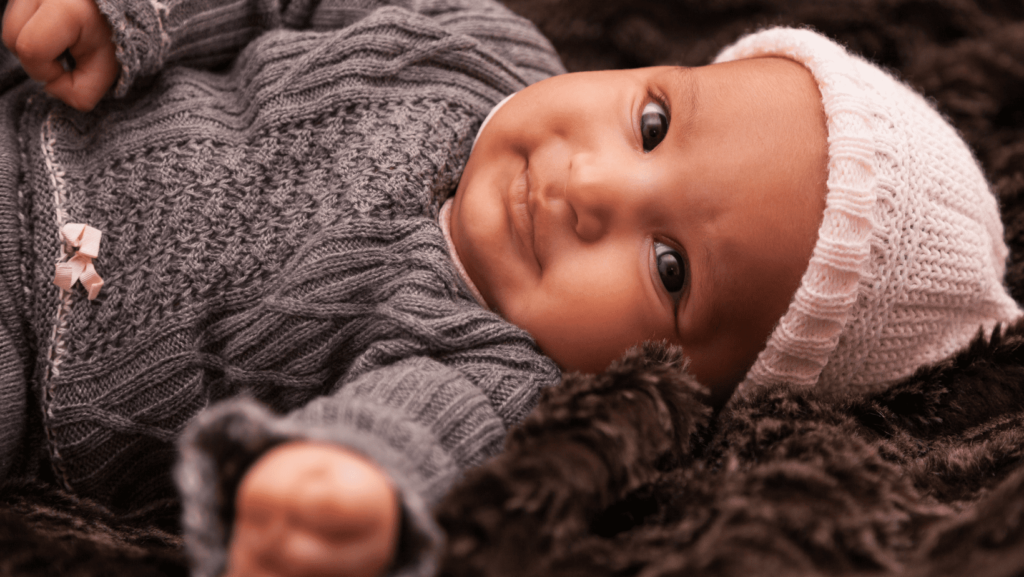
It’s common to consider abortion first and realize partway through it isn’t right for you. Read one birth mother’s honest account.
Learn more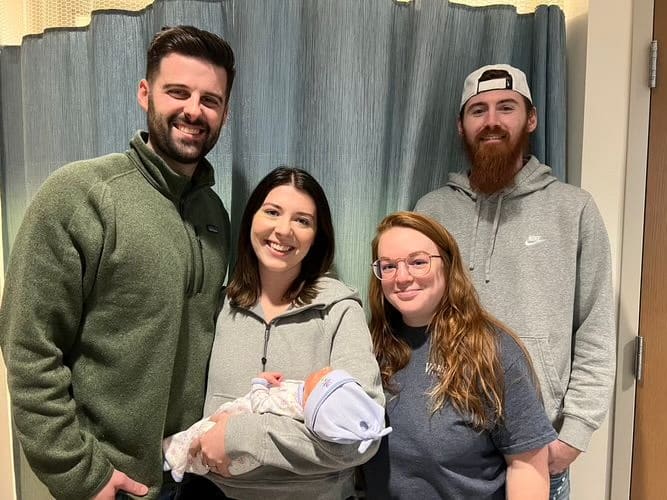
Exploring adoption doesn’t mean you’re committed to it. Rachel’s story of choosing to parent after all.
Learn more
Placing isn’t giving up — it’s choosing a parenting plan, down to the family and the level of ongoing contact.
Learn more
Honest answers from real birth mothers, years after placement — the difference between regret and grief.
Learn more
Six fallacies birth mothers hear most often, and the reality behind each one.
Learn more
There’s no script. One birth mother’s story of telling her grandmother, and what actually helped.
Learn more
Ideas for adoptive families — with or without direct contact — to recognize their child’s birth mother.
Learn more
Gift baskets, photo keepsakes, and gifts the child helps create — the gesture matters more than the item.
Learn more
An adoptive parent’s open letter, written as their kids grow older and gratitude deepens rather than fades.
Learn moreYou don’t have to decide anything today. Confirm your pregnancy, talk to someone you trust, and know that real help exists right now, most of it free.
“Jodi has walked with women through every stage of this process, and she stays as long as you need her—whether that’s a few weeks or many months.”
Feeling powerless and alone during an unplanned pregnancy is common, not weakness. Support isn’t a luxury — it’s a necessity.
“You are not alone. Even though it feels that way right now.”
Taking care of yourself comes first, no matter what you decide — prenatal care, food, rest, and someone to talk to.
“The most important thing to remember is that taking care of yourself during pregnancy comes first — no matter what you decide.”
It’s common to consider abortion first, and just as common to realize partway through that it isn’t right for you.
“We’re all lonely sometimes, but after a lot of prayers, I decided an open adoption was the only option I could live with... I no longer feel lonely.”
Exploring adoption doesn’t mean you’re committed to it — Rachel considered adoption through a difficult pregnancy and ultimately chose to parent.
“Don’t stop because of your fear. It may turn out to be the most beautiful thing.”
Placing your baby for adoption isn’t giving up — it’s choosing a parenting plan, down to the family and the level of contact.
“You are not giving up. You are choosing a parenting plan which is best for you and your child.”
Most birth mothers don’t regret placing their child, though many feel sad at times — grief and regret are different things.
“I don’t regret giving him the life he has. I see his pictures - he’s in soccer, piano lessons, has his own room. I couldn’t have given him that.”
Adoption myths — that it means you don’t love your baby, or that you’ll never see them again — don’t hold up. Most adoptions today are open.
“Our experience with hundreds of women at Heart to Heart Adoptions proves adoption is motivated by love and concern.”
There’s no script for telling family. What helps most isn’t saying it perfectly, but choosing someone who asks the right question.
“Do you love her?” “So much it’s killing me.” “Then you’re doing the right thing.”
Small, consistent gestures matter most — a note, a video, a drawing your child made, with or without direct contact.
“Honor birth parents. Celebrate the woman who carried your child.”
Gift baskets, photo keepsakes, and something the child helped create all work well — the gesture matters more than the gift.
“The heart behind the gesture says, You matter. You’re remembered. You’re loved.”
An adoptive parent’s open letter to their children’s birth mother, written as their kids grow older and more independent.
“You and I only have to look at this child to know we did something kind of special. Thank you.”
FAQ - Simple

Comments