
POST-PLACEMENT SUPPORT
Life After Placement: Support, Healing, and Connection
Placement is not the end of your story. Every birth parent’s journey is different, and support remains available long after placement. Whether you need counseling, guidance, or simply someone to talk to, you do not have to navigate this chapter alone.
AFTER PLACEMENT
Moving Forward After Placement
Many birth parents describe the weeks and months after placement as a time of adjustment. Some feel peace and confidence in their decision. Others experience grief, sadness, relief, uncertainty, or a combination of emotions that changes from day to day.
There is no “right” way to feel after placement.
Every adoption journey is different, and healing does not follow a schedule. You may have days when you feel strong and hopeful, followed by days when emotions feel heavier. Both experiences are normal.
At Heart to Heart Adoptions, support does not end at placement. Our team remains available to provide guidance, answer questions, and connect you with resources as you move forward.
You deserve compassion, understanding, and the space to process your experience in your own way and at your own pace.

HEALING AT YOUR OWN PACE
Caring for Yourself After Placement
Healing after placement looks different for every birth mother. Some women find comfort in counseling, support groups, faith communities, family, or trusted friends. Others focus on school, work, parenting other children, personal goals, or creating new routines.
There is no timeline for healing and no “right way” to move forward. Some days may feel easier than others. Giving yourself permission to rest, ask for help, and acknowledge your emotions can make a meaningful difference.
Simple acts of self-care may include:
- Getting adequate sleep and rest
- Eating regular meals and staying hydrated
- Spending time outdoors or being physically active
- Journaling or expressing your thoughts creatively
- Connecting with supportive people
- Speaking with a counselor or support professional
Healing is not about forgetting. It is about finding a way to carry your experience forward while continuing to care for yourself.
Understanding Grief in Adoption
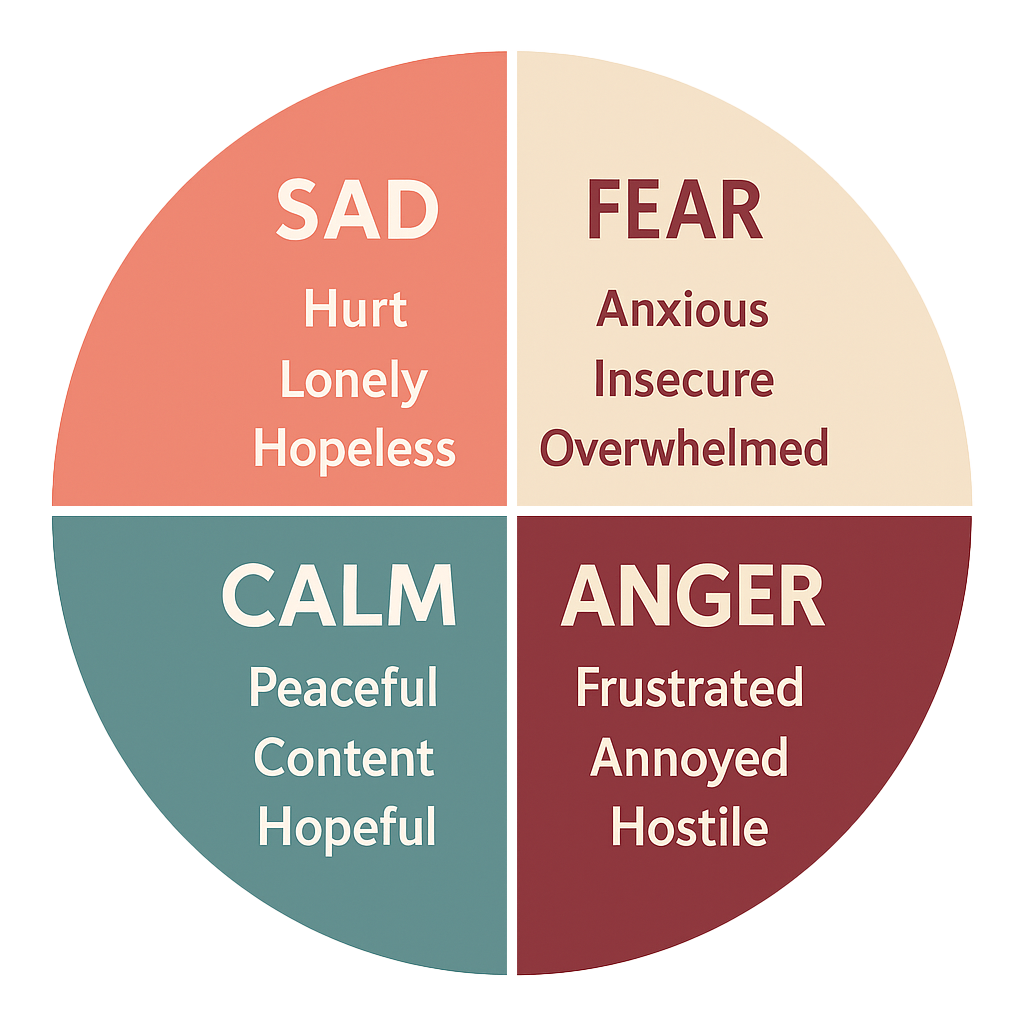
Grief after adoption does not mean you made the wrong decision. It means you loved deeply. Adoption grief can look different from other forms of loss, and it does not follow a straight path.
Grief may show up as:
- waves of sadness or longing
- moments of anger or frustration
- physical exhaustion or tension
- guilt or second-guessing
- emotional numbness
- difficulty concentrating or returning to everyday routines
These responses are normal. Over time, grief often becomes less overwhelming — not because it disappears, but because life slowly grows around it. Healing does not mean forgetting. It means learning how to carry love and loss together with compassion for yourself.
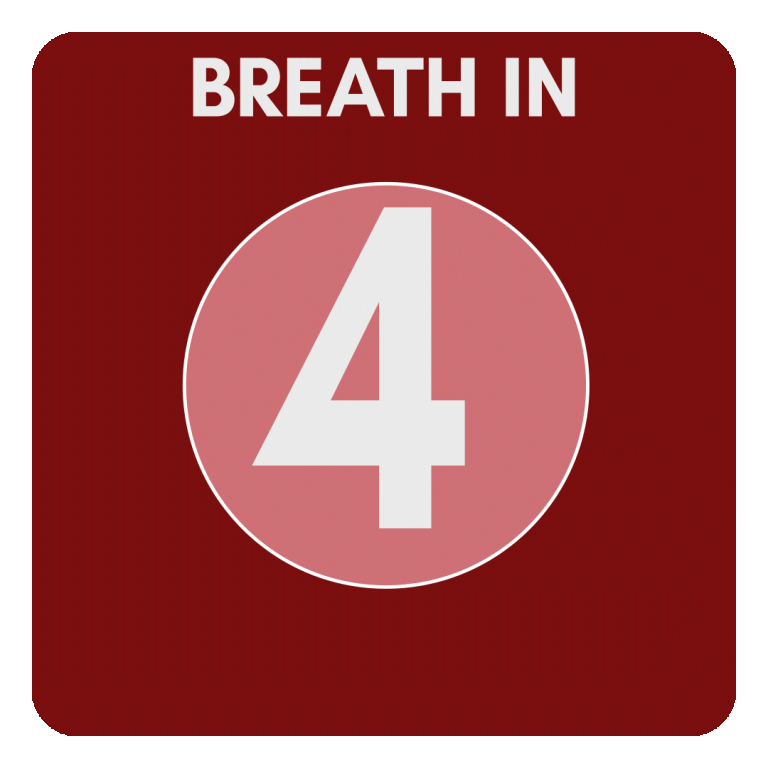
If a moment gets too big, remember to breathe
Sometimes anxiety and grief don’t live only in our thoughts — they settle into the body. When emotions feel heavy or overwhelming, slow breathing can help your nervous system find a moment of calm. Gently focusing on your breath can signal to your body that it is safe to slow down, even if your mind is still processing everything that has happened. There is no right way to do this and no need to force anything. Simply breathing in slowly and fully, then breathing out just as gently, can help release tension and create a small pause in the intensity of the moment. Even a few steady breaths can make space for your body to soften and your emotions to feel a little more manageable.
COMMON QUESTIONS
Quick Answers to Common Adoption Questions
Honest answers to the questions birth mothers ask us most. Tap any question to read more.
Still have questions?
Our team is available 24/7 — no pressure, no obligation, completely confidential.
Many adoptions today include ongoing contact through open adoption. The amount and type of communication varies for every family and is based on the agreement between you and the adoptive family. Some families exchange letters and photos, while others stay connected through phone calls, video chats, or visits.
Every birth mother’s experience is different. It’s normal to experience a wide range of emotions after placement, including grief, relief, hope, or uncertainty. Healing isn’t linear, and you don’t have to go through it alone. Support, counseling, and trusted relationships can make a meaningful difference.
Open adoption relationships naturally grow and change over time. As circumstances evolve, communication may increase, decrease, or shift in ways that work for everyone involved. Healthy relationships are built through trust, respect, and ongoing communication.
Many adoptive families talk openly with their children about adoption from an early age. When children grow up understanding their adoption story, they often develop a deeper appreciation for the love and thoughtful decision behind your adoption plan.
No. Healing looks different for every birth mother. Some women find comfort in counseling, faith, support groups, family, creative outlets, work, or caring for other children. Give yourself permission to grieve, celebrate progress, and heal at your own pace.
Yes. Our relationship doesn’t necessarily end after placement. We’re here to answer questions, connect you with resources, and continue offering compassionate support as you move forward in your healing journey.
Our HEARTS CONNECT
Healing Is Easier When You Don't Have to Do It Alone
Stay Connected Through a Safe, Private Platform
Our Hearts Connect gives birth families and adoptive families a secure place to maintain communication after placement. Through a private group, you can share messages, photos, videos, updates, and important milestones while respecting the boundaries of your open adoption relationship.
Privacy settings and optional moderation help keep communication healthy, respectful, and appropriate for everyone involved. You can access your group from a phone, tablet, or computer and stay connected as your child grows.

Last Reviewed: