

HONORING WHO YOUR CHILD IS
Cultural Identity in Transracial Adoption
Regardless of what you say about not seeing color, the world will, and you have to.
Resources
Transracial right for you?
Cultural identity
Multiracial Community
Explaining race to child
Racial Rudenss is teachable
Raising a Black Child as a White Parent
Compliment that isn't a compliment
Dear Birth Mother
Birth family death
He wouldn't touch his snack
He was curled in the corner of the couch, staring into space.
Finally, David spoke. “Nathan said all the violence in the world was caused by Black people,”
A middle schooler, Nathan, had said it. David was a third grader.
David isn’t a violent kid. He barely had a temper. But the third-grader had been assigned a characteristic that had nothing to do with him. This assignment came from someone who was, by definition racist.
That is the world your child is growing up in. You can love them through it. You cannot love it away.
Our caseworkers have walked this path with hundreds of families. A conversation costs nothing.
Call 877-437-3424
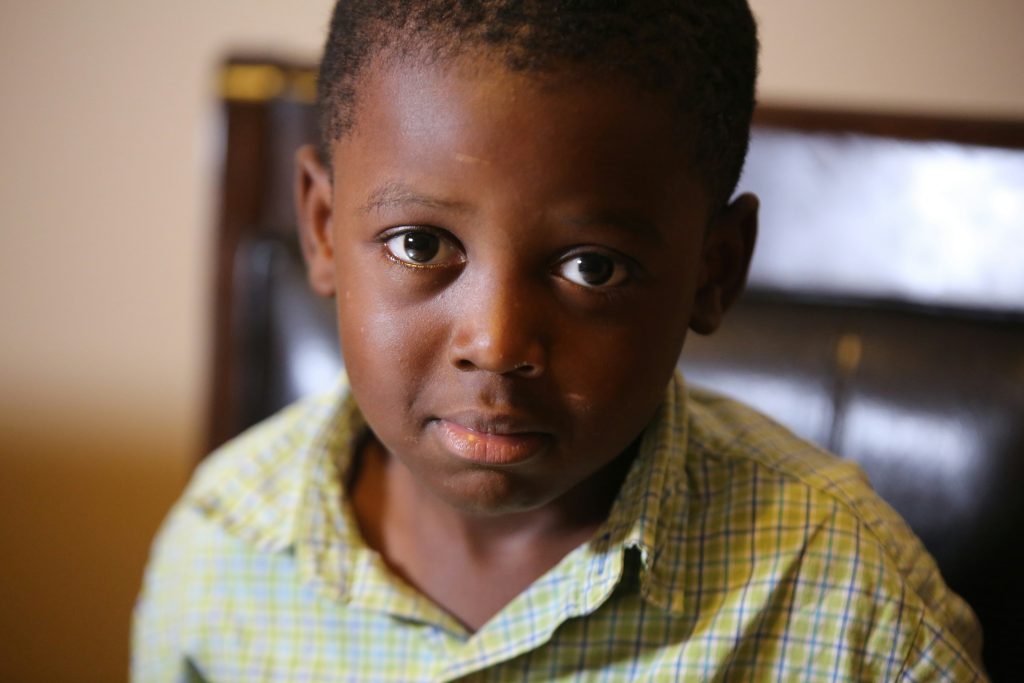
"I Don't See Color" Is Not the Compliment You Think It Is
When people say they don’t see color, they usually mean it to suggest that color doesn’t matter to them. That is probably not what a child hears. They hear that a central part of who they are is invisible to the person who’s supposed to know them best.
Your child is Black. The world will see them as Black. They’ll move through school, church and sports where interactions are shaped by the fact that he or she is Black. This will happen whether you acknowledge it or not. If you don’t, you’re not protecting them from race. You’re leaving them alone in it.
Saying "I see you" has to include seeing all of him.
His hair, his skin, his history. The way strangers respond to him in a store. The way a coach’s tone shifts. The way a middle schooler’s comment can steal his appetite on a Tuesday afternoon. Black is part of his identity. It’s part of what others will use to define him, and it’s part of how he’ll come to define himself. Your job isn’t to minimize that. Your job is to be in it with him.
The Question You Have to Be Willing to Sit With
Here’s the honest, uncomfortable question every white parent of a Black child eventually faces: when your child gets in trouble at school, will the same behavior that earns a white student a warning earn your child a suspension?
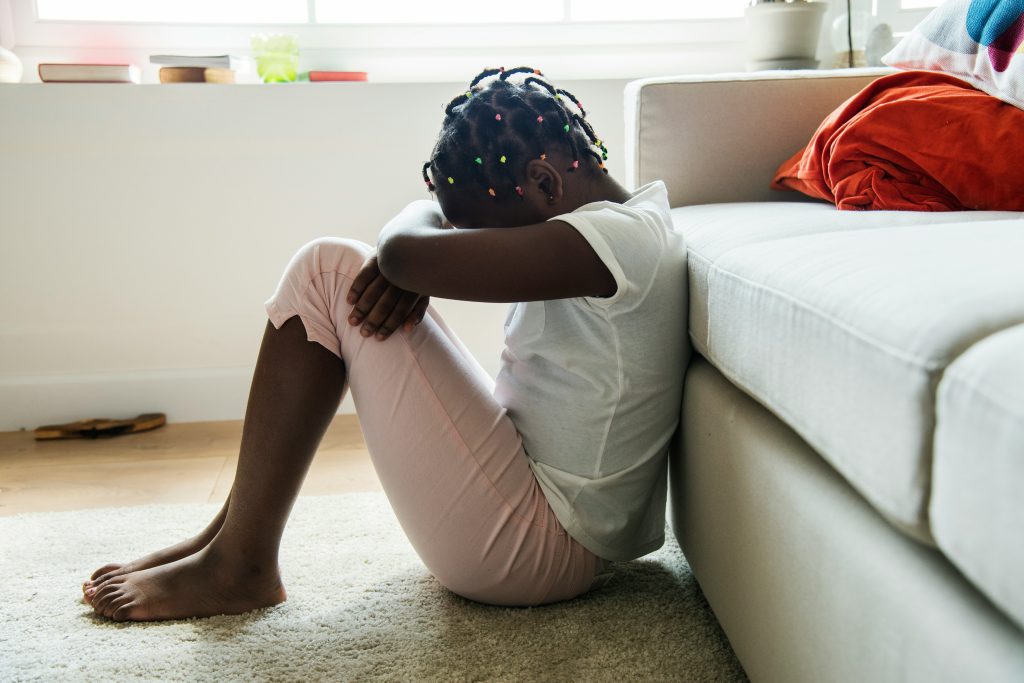
The research says yes. Our own experience says yes.
David is peaceful by nature. His brand of annoying, when he chooses to deploy it, runs more toward hassling his sister out of boredom than anything resembling aggression. But the cultural narrative about Black men and violence is so embedded in our society that it shapes perception before a person even speaks. Jesse Jackson once said that there was nothing more painful to him than to walk down the street, hear footsteps behind him, turn around and see someone white, and feel relieved. He was talking about his own internalized bias, shaped by decades of media and messaging.
Black representation
David threw the remote on the couch one evening, got up, and left the room. He didn’t say anything. He didn’t have to. He was tired of turning on the television and seeing Black characters cast as either the thug or the flawless, hyper-educated, personality-flattened archetype that media uses when it’s trying to redeem Black representation. Neither one is a person. Neither one is him.
On Naming Racism Accurately
This matters more than it might seem, so it deserves to be said plainly: confront racism when it happens, and call it what it is. But don’t dilute real racism by labeling everything uncomfortable as racist. That does your child no favors.
One of our sons came home and told me his teacher had given him a low grade because she was racist. I asked to see the assignment. As a former teacher, I would have graded it even lower. That wasn’t racism. That was a lousy assignment, and I told him so. Don’t use race as a shield against accountability. Do better.
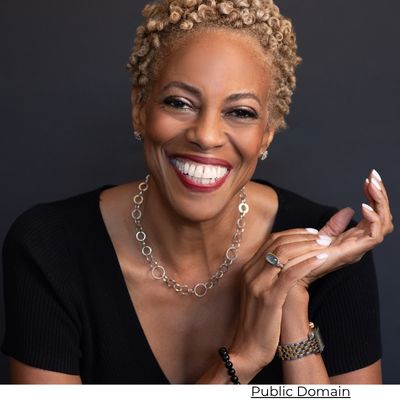
Cultural innovator Vernā Myers, who is Black, has made a similar point.
The portrayal of Black men in media is so consistently tied to threat that even young Black men sometimes find themselves afraid of other young Black men.
David once told me a coach didn’t like him because of race. I told him, in no uncertain terms, that wasn’t what was happening. The coach’s son also played on the team, and the coach wanted his son on the court. That’s not racism. That’s a father playing favorites, which is its own problem but a different one. Meanwhile, in football, David was getting more playing time than another player, and that player resented him for it. That feud had nothing to do with race. It was a full-on feud fueled by competition, and calling it racism would have cheapened real racism.
What Your Own Bias Has to Do With This
Our oldest daughter is white. She grew up alongside Black siblings from the time she was very young, and the research on this is consistent with what we observed: children raised together from birth, across racial lines, tend to develop an awareness of difference that’s genuinely neutral. She notices that someone is Black the same way she notices that someone has red hair or is taller than average. It registers. It doesn’t carry judgment.
Most adults didn’t grow up that way. Most of us absorbed years of media, cultural messaging, and unexamined assumptions before we ever thought critically about any of it. If Jesse Jackson can acknowledge his own conditioned fear response, you can acknowledge yours. If Vernā Myers has built a career helping people recognize biases they didn’t know they had, she’s worth taking seriously.
This isn’t about guilt. It’s about accuracy. You can’t help your child move through a world shaped by racial bias if you haven’t done the work of examining your own. That work is ongoing. It doesn’t have a finish line. But it starts with honesty, and honesty starts with you.
Read more about becoming a biracial family.
Learning everything you can and understanding the experiences of others will help you help your child.
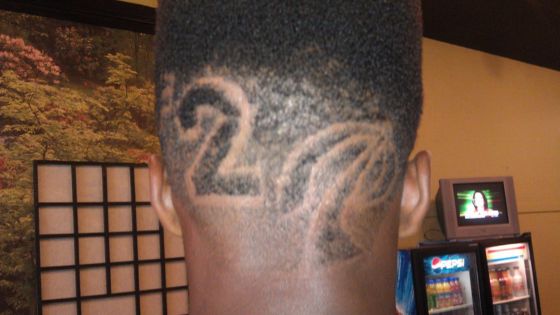
Building a Multiracial Community
A Black barber is one way to help children feel part of a diverse community. Read this story. Click here. ➔
Raising a Black Child as a White Parent
Learn what others have learned about raising a Black child.➔
Transracial Adoption Resources
Find resources for you and your child to refer to. Read more. ➔
MORE INFORMATION--Community, Identity & Parenting
Want to Know More
Your Questions, Answered
What does 'I don't see color' mean for a Black adopted child?
It means a central part of their identity is invisible to the person who is supposed to know them best. Your child is Black. The world sees them as Black. If you do not acknowledge it, you are leaving them alone in it.
How do I talk to my adopted child about racism without frightening them?
Be honest, age-appropriate, and matter-of-fact. Name what racism is and how it shows up. Validate their experiences when they encounter it. Give them language and the confidence that you take their experience seriously.
How do I know when something is racism versus another kind of problem?
Look at the evidence honestly. A bad grade may be a bad assignment. A coach who benches your child may be playing favorites with his own kid. Name real racism clearly and teach your child to do the same. Precision matters.
What is implicit racial bias and how does it affect transracial adoption?
Implicit bias is the unconscious attitudes absorbed from media, culture, and environment. Research shows nearly everyone carries them. Adoptive parents who examine their own biases are better equipped to help their children navigate a world shaped by those same biases.
How do I actively nurture my Black child's cultural identity?
Through consistent, ordinary choices: the barber you drive to, the books on your shelf, the church you attend, the conversations you do not avoid, the relationships you build deliberately. Cultural identity is not a lesson — it is an accumulation.
You don't have to do this alone.
We're here to walk beside you—every step of the way.
Call or Text Anytime
801-563-1000
REVIEWED BY
Reviewed by licensed adoption professionals at Heart to Heart Adoptions.


Last Reviewed: