heart to heart adoptions

WHAT YOU NEED TO LEARN FIRST

Raising a Black Child as a White Parent

Whatever your child’s talents, find a diverse environment for those talents.

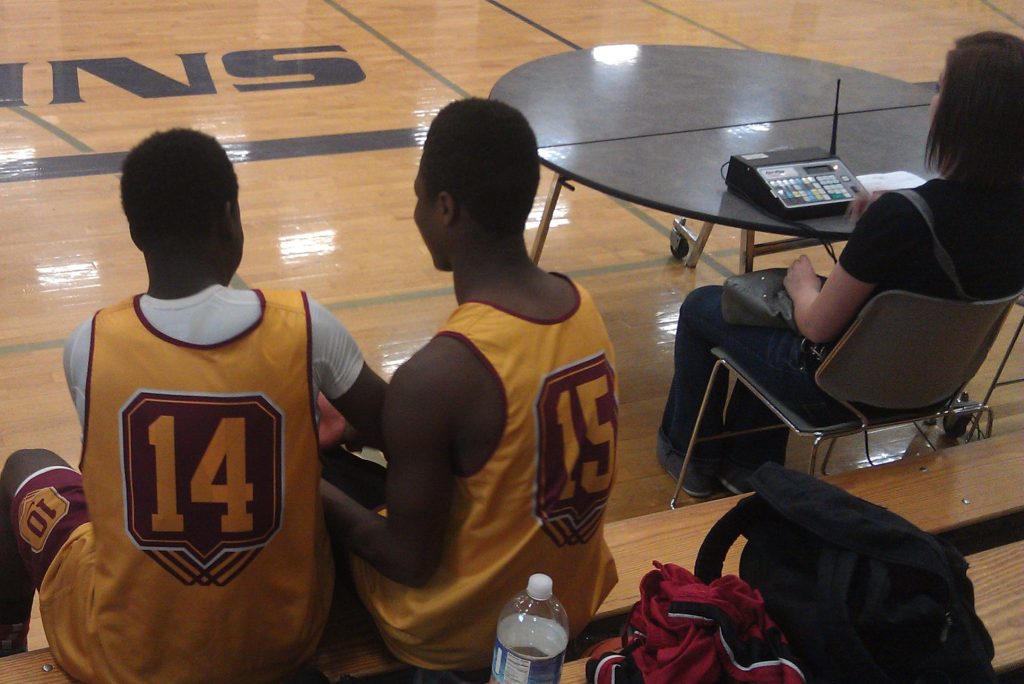
State track was a weeklong affair, especially if you made it to the finals.

During those weeks, we shared hotel rooms . We ate lunch together, compared heat times, and cheered for each other’s kids. They became our sports family in the way that only sports families understand, thrown together by schedule and circumstance and the particular intensity of watching your child compete, until one day you realize you would do anything for these people.

He didn't always introduce me as his mother.

David didn’t always introduce me as his mother during those meets. When runners from other teams assumed he belonged to Jamaria’s mother, a Black woman who was simply standing nearby. He didn’t correct them. He let it be. He didn’t want to be the Black kid in a white home while he was at track. He wanted to be the fastest 100-meter runner. 

That was the identity he was choosing that week.

Our caseworkers have walked this path with hundreds of families. A conversation costs nothing. 

Call 877-437-3424

I didn’t get irritated. I wasn’t annoyed or jealous. I understood.

He still found me when he needed money. He hugged us all when he won. We were all there. That’s what mattered.

They won't always want to lead with the adoption story

Here is something no one tells you clearly enough at the beginning: your child will not always want their primary identity to be “a Black child raised in a white home.” Sometimes they will just want to be a kid. A kid who is good at track, or science, or skateboarding, or computer games. A kid who wants to blend into a crowd for an afternoon without having to explain their family to anyone.

Let them.

heart to heart adoptions

This is not a rejection of you. It is not ingratitude or confusion or a sign that something has gone wrong. It is a child doing exactly what children are supposed to do. figuring out who they are by trying on different versions of themselves in different contexts. Every kid does this. The transracial piece adds complexity, but the underlying impulse is universal.

On Thanksgiving, birth families, and knowing when to be quiet

The year David turned 18, he spent Thanksgiving with his birth family.

He came home and talked about the food. He love some of them. He was surprised by some of them. He missed some from our family’s tradition. 

I just listened. I knew I needed to let him love both homes, both families, both sets of traditions. I wasn’t competing. I didn’t want to absorb his birth family into my narrative or to minimize them out of ours.  

Different for Every Adopted Child

Birth family relationships look different for every child, sometimes within the same family. One of our daughters is not interested in much contact with her birth mother.

One of our sons doesn’t feel particularly close to his birth parents, but has a friendship with an aunt and a paternal grandmother who has reached out with such love.

Tamp down the territorial feelings

There will be moments when something tightens in your chest. When your child calls someone else Mom at a track meet. When they choose another table for a holiday. When they light up talking about a grandmother you’ve never met.

Feel it privately, but let it go.

Owning someone is not love. Loving your child is what you want them to have as much love as possible. You cannot have too many people in your child’s corner. These adults who genuinely love them is a gift to them, not a threat to you. 

You are not going to get all of it right. Certainly, I didn’t. I still don’t. But the most meaningful thing I have ever done is listen to my children talk without interrupting and without telling them how they should feel. 

MORE INFORMATION--Community, Identity & Parenting

Want to Know More

Your Questions, Answered

That love is necessary but not sufficient. You will need to educate yourself about racial bias, build a diverse community deliberately, acknowledge the ways your child’s experience of the world will differ from yours, and make room for the birth family in your child’s life long term.

Start early, keep it normal, follow their lead. Talk about race the way you talk about any other part of who they are. Celebrate their heritage. Make sure they have people who look like them in their regular life.

 Let it go. A child choosing not to explain their transracial family in a particular context is not a rejection. Your relationship is secure enough to hold that moment. Do not make it mean more than it does.

Make room for it without managing it. Your child’s relationship with their birth family belongs to them. Your job is to ensure they never feel they have to choose between the people who love them.

You don't have to do this alone.

We're here to walk beside you—every step of the way.

Call or Text Anytime

801-563-1000

REVIEWED BY

Reviewed by licensed adoption professionals at Heart to Heart Adoptions.

Wendy Knowles Front-line Birth Mother Support

Wendy Knowles, Birth Parent Support Specialist

|
|

Jodi Grizzle, LCSW