
TRANSRACIAL ADOPTION * PARENTING GUIDES
How to Talk to Your Adopted Child About Race and Why It Can't Wait
Age-by-age guidance on the conversations adoptive parents are often afraid to start and why starting early is the single most protective thing you can do for your child’s identity.
Resources
Transracial right for you?
Cultural identity
Multiracial Community
Explaining race to child
Racial Rudenss is teachable
Raising a Black Child as a White Parent
Compliment that isn't a compliment
Dear Birth Mother
Birth family death
He's browner brown. I'm brown brown.
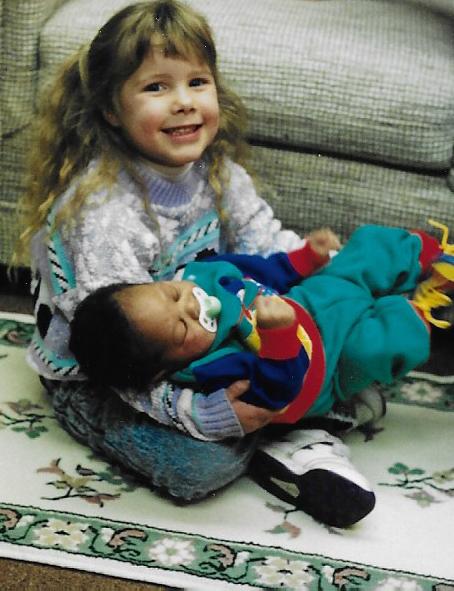
“He’s not black,” Sadie said. “He’s brown, and I’m brown, too.” She held up a suntanned arm. “He’s browner brown, and I’m only brown brown, and you,” she said, “are only a little brown. None of us bees white.”
Sadie was disgusted with her mother’s attempt to explain that the 9-week-old child who had just been placed in their home was considered “Black” and she was considered white.
“He’s brown.”
The four-year-old was proud of her recently acquired knowledge of colors, and she was helping to bathe her new brother, who loved the feel of water on his dry skin. He splashed and squealed as she held a plastic toy just out of his reach.
Sadie and her little brother David’s understanding of race developed slowly over time. Conversations about race were never avoided. They weren’t always easy, either. But they happened. Sometimes at the bath, in the grocery store checkout line, in the car on the way to school, in the middle of a living room floor, after something happened at recess. They happened because we decided, early on, that silence wasn’t protecting them from race. It was just confusing.
Our caseworkers have walked this path with hundreds of families. A conversation costs nothing.
Call 877-437-3424
Children notice race long before we bring it up
Research is consistent on this: children begin to notice and categorize racial differences as early as age two or three.
When parents seem reluctant to talk about race, children don’t conclude that race doesn’t matter. Instead, they may decide the conversation is dangerous or painful. So then the kids feel they have to carry it alone.
There is no one big talk. There are a hundred small ones.
You shouldn’t plan a big sit-down with your child to have an informative conversation about race. That conversation doesn’t exist. What exists is a thousand smaller moments. A question at the dinner table, a comment from a stranger, a chapter in a history book, a hard day at school, and what your child learns from those moments is whether or not you are someone they can talk to.
Here's what talking about race can look like at different ages:
Ages 2–5: Name what they see
Young children are concrete thinkers. Sadie didn’t want a sociology lesson. She was just pointing out the differences and the similarities. Start there. Use accurate, matter-of-fact language about skin color, hair texture, and physical features. Read picture books with characters who look like your child. Normalize the differences in your family the same way you normalize having different eye colors or different favorite foods. Don’t wait for your child to ask.
Ages 11–18: Follow their lead
Adolescence is when identity work intensifies for every child, and for transracially adopted children that work carries extra weight. They may pull away. They may get angry. They may want to spend more time in their birth community and less time explaining their family to their friends. None of that means you’ve failed. It means they’re doing the hard, necessary work of figuring out who they are. Your job is to stay in the room. Keep the door open. Be curious, not defensive.
What birth mothers need to know
If you are a birth mother considering adoption for your child, you have the right to ask about how families will deal with race.
Ask prospective adoptive families how they talk about race in their home. Ask whether they live in a diverse community. Ask whether their child will have access to people who share their racial and cultural background. Ask what they’ve read, what training they’ve done, and what relationships they’re actively building.
Ages 6–10: Start adding context
School-age children often encounter racial incidents. Your child may experience something that confuses them or hurts them, and they may not know what to call it. Your job is to give them language. Talk openly about what racism is. Validate their experiences without rushing to fix them. Start building what researchers call “racial mirrors.” This means making sure your child has meaningful relationships with adults who share their racial identity.
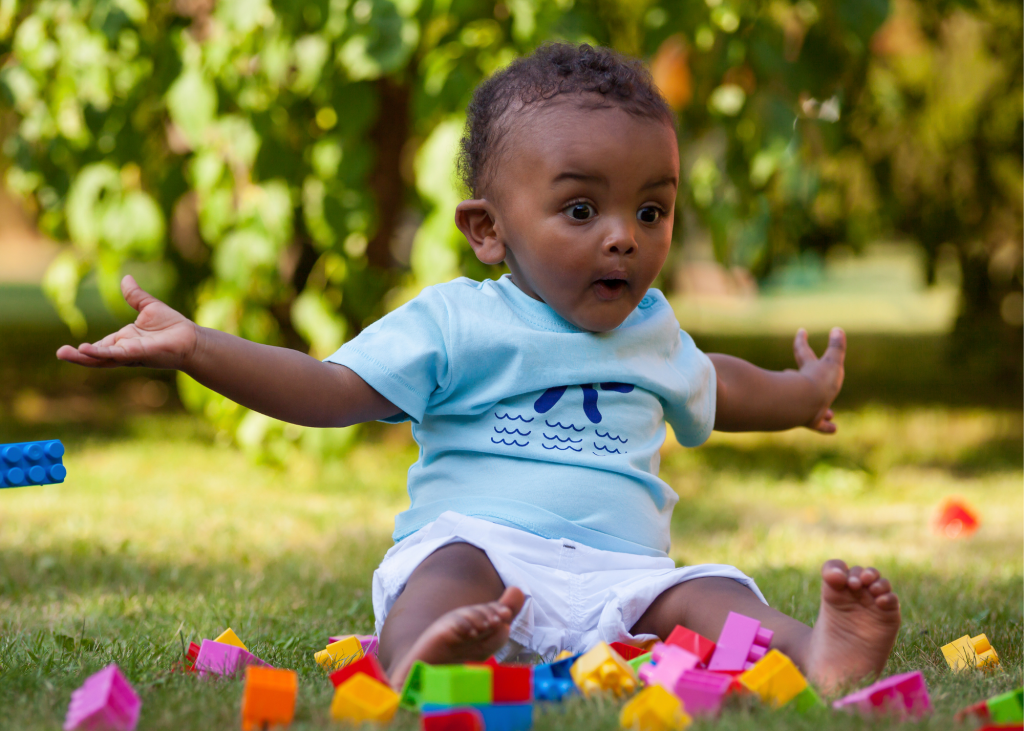
Read more about experiences as a biracial family.
Learning everything you can and understanding the experiences of others will help you help your child.

Be Rude--It's Teachable
There is a right way and a wrong way to deal with unacceptable comments. Click here. ➔

You're Good Looking for a Black Person
Some compliments are not compliments. How to deal with these. Read this story. ➔

Talking About Race
There should be nothing awkward about a conversation about race. Read more. ➔
MORE INFORMATION--Community, Identity & Parenting
Want to Know More
Frequently Asked Questions About Race
What if my child doesn't want to talk about race?
Why would they not want to talk about race? Children talk about hair color, fingernails, freckles, and other physical differences. If they are not talking about the color of their skin, then they might feel that the topic makes the adults around them uncomfortable.
You don’t want to force the conversation. But there should be no concern about the conversation.
As a birth mother, what questions should I ask an adoptive family about race?
We can not emphasize this enough. As a birth mother, you have the right to ask any question you want. Ask about the demographics of the area where the family lives. Ask if they have real friendships with a diverse group of people. Ask what training they have received about race. You have the right to ask anything. This is your child.
Isn't it better to let children bring up race on their own rather than introducing it?
Children notice race early, but it’s usually not assigned a negative or positive value unless you assign an emotion to it. When adults don’t say anything, children start believing that there is a reason to stay silent and that talking about race is wrong. Children don’t just decide race is irrelevant.
Does talking about race in early childhood make a difference?
Some parents worry that talking this early is a negative. But instead, it is telling children that they can have these kinds of conversations. Race is a fact of life. Talk about life.
What does it mean to be a "racial mirror" for my child, and why does it matter?
A racial mirror is an adult in your child’s life who shares their racial identity. This is good for kids. Much better than just a book or movie. Children need to see adults who look like them living the kind of lives that they will want.
What if I say something wrong when talking to my child about race?
You probably will. It’s kind of what parenting is about. But then again, you’ll probably say something wrong about the special needs child in their class, or the woman who is bald due to cancer. That is what communication is about.
You don't have to do this alone.
We're here to walk beside you—every step of the way.
Call or Text Anytime
801-563-1000
REVIEWED BY
Reviewed by licensed adoption professionals at Heart to Heart Adoptions.


Last Reviewed: