
Resources
Transracial right for you?
Cultural identity
Multiracial Community
Explaining race to child
Racial Rudenss is teachable
Raising a Black Child as a White Parent
Compliment that isn't a compliment
Dear Birth Mother
Birth family death

What No One Warns You About
When White Parents Adopt a Black Child There Will be Surprises
There are always surprises in parenting. Be ready for.
White parents who adopt Black children will encounter situations. These situations will include comments from strangers, extended family, and well-meaning friends. Sometimes you, nor your children, will be prepared for what is said. Readiness for transracial adoption is not a checklist you complete. It is a disposition you cultivate: a genuine orientation toward humility, complexity, and love that doesn’t need to be in control to function.
If you can't deal with this, you're not ready to adopt.
A potential adoptive mother came to a hospital in Texas not long ago.
The birth mother was struggling. Everyone struggles at birth. She was holding the baby, crying. She had family in the room and a birth father asking a lot of questions, good questions, hard questions, the kind of questions you ask when you’re trying to make sure your child is going to be all right.
At one point the adoptive parents stepped out and complained. About how long everything was taking. About the post-adoption contact plan. About the birth mother wanting to be discharged before signing, wanting to move the paperwork to her home, where she’d feel more comfortable.
Our caseworkers have walked this path with hundreds of families. A conversation costs nothing.
Call 877-437-3424
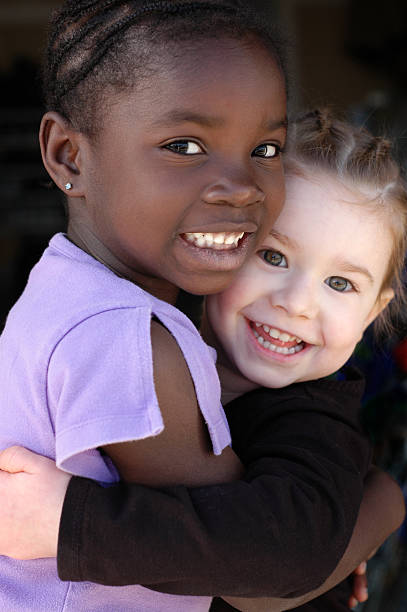
We get it. We told them so.
And then we told them the rest.
If you can't deal with this, you're not ready to adopt.
You need to feel compassion for this birth mother. You need to learn to love her, because she will always be in your life in some form. The child you’re hoping to bring home is connected to her permanently, biologically, emotionally, culturally. That connection doesn’t end when you leave the hospital. It follows your child their entire life. If you can’t make room for it now, in a hospital room in Texas, you’ll struggle to make room for it later, when your child is eight and asking questions, or fifteen and needing something you can’t give them alone.
The adoptive parents went home.
We’ve said some version of that to other prospective adoptive parents over the years. Some of them went home too, and we found other families for the baby. Others recognized what we were saying was true, took a breath, went back into that hospital room, and became someone’s parents. Both outcomes are right when they come from honesty.
The Surprises White Parents Don't Expect
Some of what you’ll encounter is warm and well-meaning and still gets it wrong. A waiter who adopts a Southern accent when speaking to your daughter. An aunt who prepares fried chicken, assuming it must be your child’s favorite. Friends who say, “I wish I could get tanned as dark as you,” thinking they’re offering a compliment. Those same friends complimenting her with “You’re so pretty for a Black girl.”
Don't See Color???
And then there’s the person who insists he doesn’t “see color” but expects your daughter’s favorite singer to be Black, and begins every conversation by asking how she feels about whatever Black issue is trending that week. He means well. That doesn’t make it less exhausting.
What 'Ready' Actually Means
Readiness for transracial adoption isn’t a checklist you complete. It’s a disposition you cultivate, a genuine orientation toward humility and complexity and love that doesn’t need to be in control to function.
It means being ready for the birth mother’s grief to be real and present and sometimes inconvenient. It means being ready for your child to ask, at seven, why they don’t look like you, and having an answer that isn’t flinching. It means being ready to stand in a hospital hallway or a school parking lot or a teenage bedroom doorway and not know exactly what to do, and to love anyway.
It means being ready for the birth mother’s grief
That’s parenting. It’s just parenting with more complexity woven in from the beginning, by the nature of what you’re choosing.
None of this is malicious
Most of it comes from people who love your family. But your child is the one who absorbs it, again and again, and you’re the one who has to help her make sense of it. That’s part of the job. It’s better to know it’s coming.
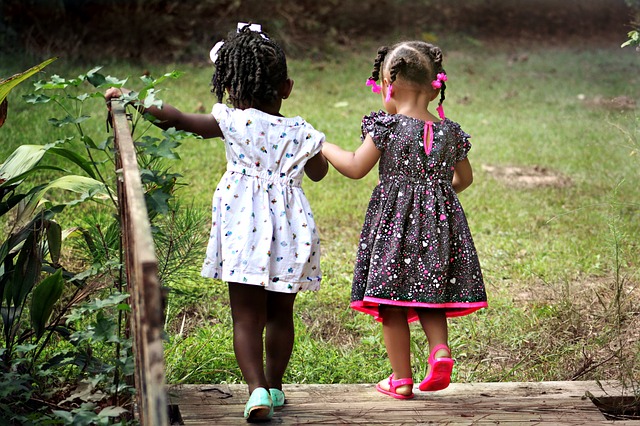
Read more about becoming a biracial family.
Learning everything you can and understanding the experiences of others will help you help your child.
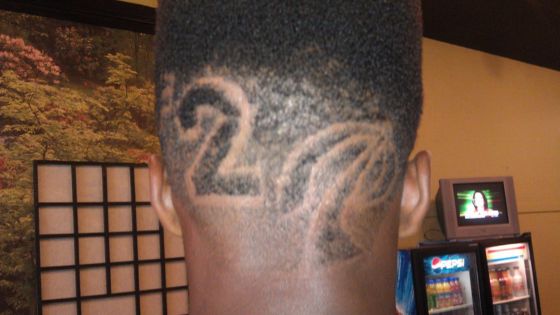
Building a Multiracial Community
A Black barber is one way to help children feel part of a diverse community. Read this story. Click here. ➔
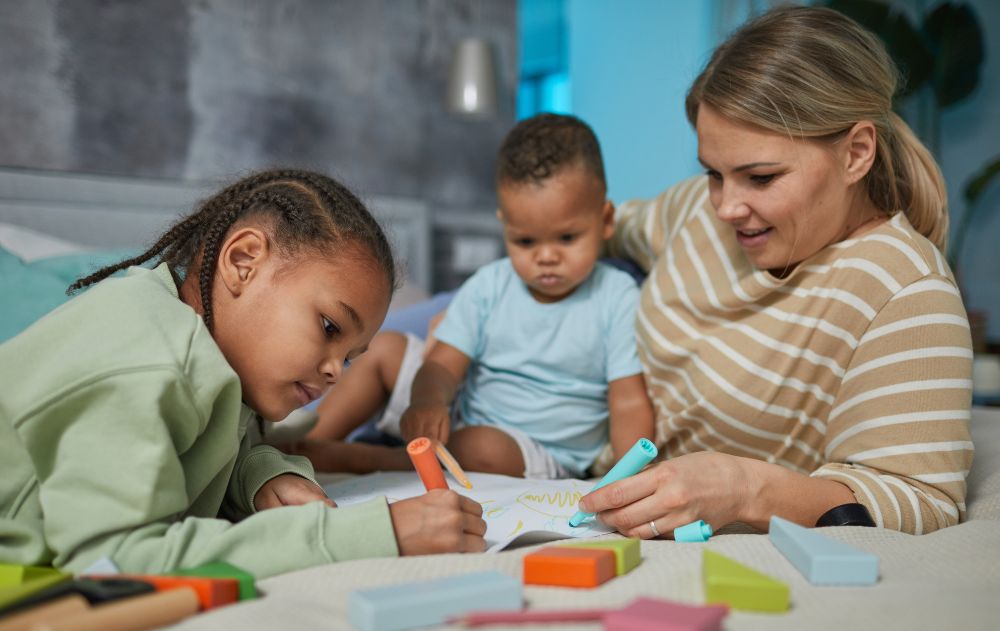
Cultural identity in a transracial adoption
A Black barber is one way to help children feel part of a diverse community. Read this story. ➔

White parents raising Black children
The child may not always acknowledge you in public. Read more. ➔
Want to Know More
Frequently Asked Questions
What is transracial adoption?
Transracial adoption is the placement of a child with an adoptive family of a different racial or ethnic background. In domestic infant adoption in the United States, this most commonly involves white families adopting Black or biracial children
Is transracial adoption more difficult than same-race adoption?
It involves additional complexity, particularly around racial identity development, cultural connection, and community building. Research shows that transracially adopted children can thrive when their families engage intentionally with these dimensions. The challenge is real. So is the reward.
What training does Heart to Heart require for transracial adoptive families?
Heart to Heart Adoptions requires pre-adoption education that includes racial identity development, cultural humility, and open adoption. We have direct, honest conversations with prospective adoptive families about community, diversity, and readiness before a match is made.
Can a birth mother choose a transracial family for her child?
Yes. Birth mothers in domestic infant adoption have the right to select the family they feel is best for their child, and race is a factor they’re legally permitted to consider in either direction.
What if we adopt transracially and later realize we weren't as prepared as we thought?
You keep going, and you keep learning. No family is perfectly prepared. The families that succeed aren’t the ones who got it right from the beginning. They’re the ones who kept asking questions, kept seeking community, and kept putting their child’s needs ahead of their own comfort. Heart to Heart offers post-adoption support for exactly this reason.
MORE INFORMATION--Community, Identity & Parenting
You don't have to do this alone.
We're here to walk beside you—every step of the way.
Call or Text Anytime
801-563-1000
REVIEWED BY
Reviewed by licensed adoption professionals at Heart to Heart Adoptions.


Last Reviewed: